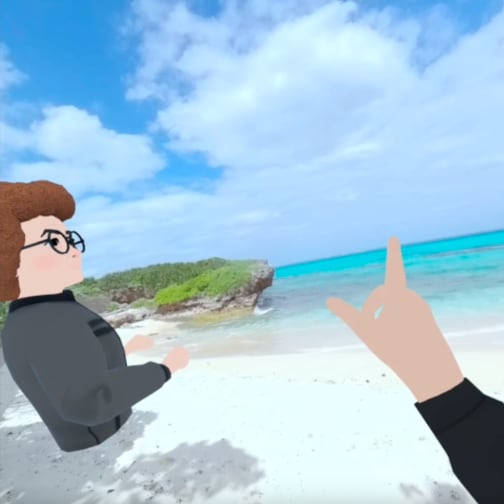
Body Social fitness
Walk and talk with family on real beaches and forest trails, paired with a manual treadmill, stationary bike or simply walking in place at home. The motivation problem solved by the oldest trick there is: friendly peer pressure.
 Matia Labs
マティアラボ
Investors
Matia Labs
マティアラボ
Investors
Live trials underway ·
New York & Tokyo · 2026
Matia Labs builds cutting-edge age-tech solutions, including CoDo, a virtual-reality social-wellness platform that lets older adults and their families walk, train, and breathe together, across any distance. Shipped on Meta Quest and iOS and currently in private beta on Apple Vision Pro. Grounded in peer-reviewed science; now in live trial deployment on two continents.
15cigarettes
Chronic loneliness carries a mortality risk comparable to smoking 15 cigarettes a day1
29.3%
of Japan's population is now 65 or older, the world's oldest society, and our first market2
−29%
ten-year dementia incidence after speed-of-processing cognitive training; the protocol family CoDo Mind builds on3
1.5×
physical activity outperforms usual care for depression by roughly half again. Social exercise helps maintain motivation4
Distance, busy schedules, and the simple arithmetic of aging are separating older adults from the people they love. The result is measurable: isolation degrades cognitive, emotional, and physical health at a scale public-health bodies now rank alongside smoking and obesity1.
The existing answers underperform. Exercise apps demand self-motivation that isolation itself erodes. Video calls flatten presence into a rectangle. Social media often makes things worse. What actually protects people - doing things together - is exactly what distance hinders.
Our thesis: immersive technology can restore the doing together. Not a "metaverse" novelty but a daily wellness routine designed for people who have never worn a VR headset, and built on interventions grounded in published clinical evidence.
“We don't sell virtual reality. We sell the feeling of a walk on the beach with your granddaughter, when she lives nine time zones away.”
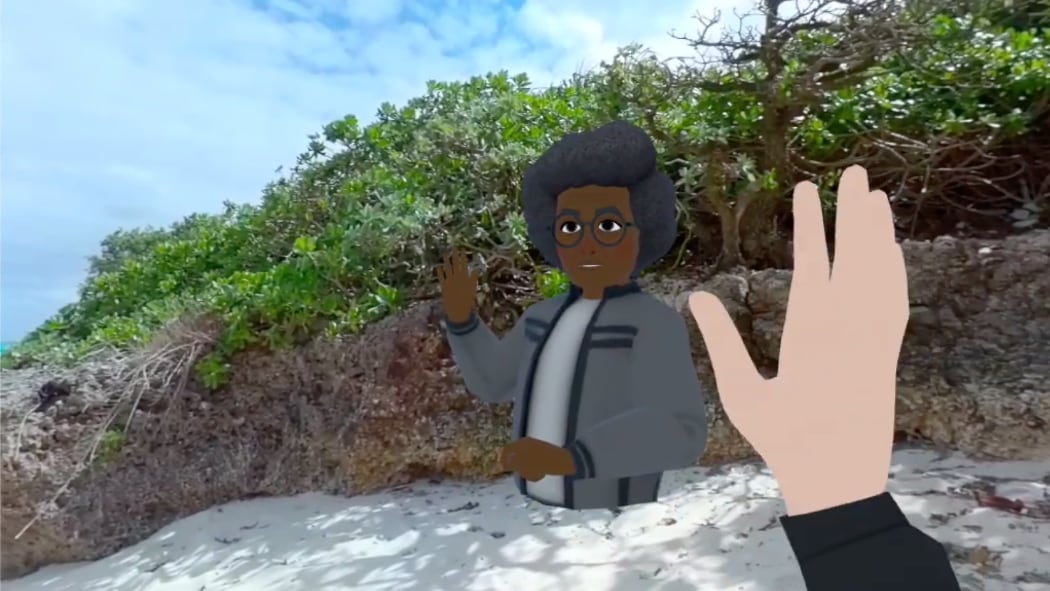
CoDo is live today as a free download on the Meta Quest and Apple app stores. Real 360° environments, not cartoon worlds, with embodied avatars. Designed so a 75-year-old can connect with her family in under a minute.
Walk and talk with family on real beaches and forest trails, paired with a manual treadmill, stationary bike or simply walking in place at home. The motivation problem solved by the oldest trick there is: friendly peer pressure.
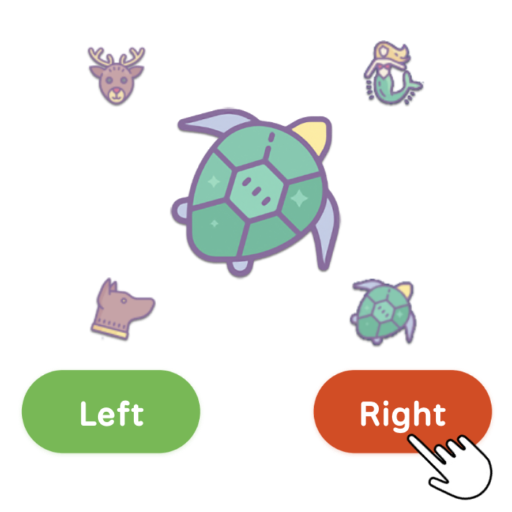
Memory, attention, and useful-field-of-view exercises adapted from clinically validated protocols3 - 5 minutes, five times a week, with friendly family competition helping with adherence.
Guided breathing and meditation in serene real-world locations, alone or together, lowering stress and deepening the mind-body connection that anchors the whole routine.
Product details live at codo.fit, on the Meta Quest store, and on the Apple App Store.
Every module in CoDo descends from an intervention with published, peer-reviewed results: speed-of-processing training from the ACTIVE study lineage3, exercise as a first-line intervention for mood4, and breathwork for stress regulation. Our founding team includes the researchers to keep it honest: a biomedical-engineering PhD publishing on VR and cognition, and a Harvard and Columbia-trained psychiatrist in active clinical practice.
The next step is generating our own data. That is what the New York and Tokyo trials are for - moving CoDo from “built on the literature” to “measured in the field.”
CoDo is in live multigenerational family trials at two sites, gathering usage, adherence, and wellbeing data ahead of our 2026 milestones.
40.71° N / 74.00° W
Family cohorts spanning three generations, observed with a clinical-psychiatry lens on mood, engagement, and connectedness.
35.68° N / 139.69° E
Older-adult cohorts in the world's most aged society, focused on usability, adherence, and cognitive-training outcomes.

Founder · PhD Biomedical Engineering, Tokyo Institute of Technology · MS, NYU
Published researcher on virtual reality and cognitive function. Leads Matia Labs from Tokyo, building VR/MR cognitive-training and rehabilitation systems coupled with neurofeedback.

Product · MPS, NYU ITP · 20 yrs at Time Inc, MTV Networks, CBS Interactive, Paramount
Two decades leading award-winning digital products at major media organizations, including the American Museum of Natural History's digital-transformation strategy.

Clinical · MD, U. Minnesota · PhD, Harvard Medical School · Attending Psychiatrist, Columbia / NYSPI
Practicing psychiatrist in New York City; former Chief Resident in Child & Adolescent Psychiatry at Columbia and Cornell. Anchors CoDo's clinical rigor.
Matia Labs, Inc. (マティアラボ) is raising to take CoDo from live family trials to measured outcomes and first revenue - expanding the New York and Tokyo cohorts, publishing results, and opening channels into senior-living and healthcare partners.